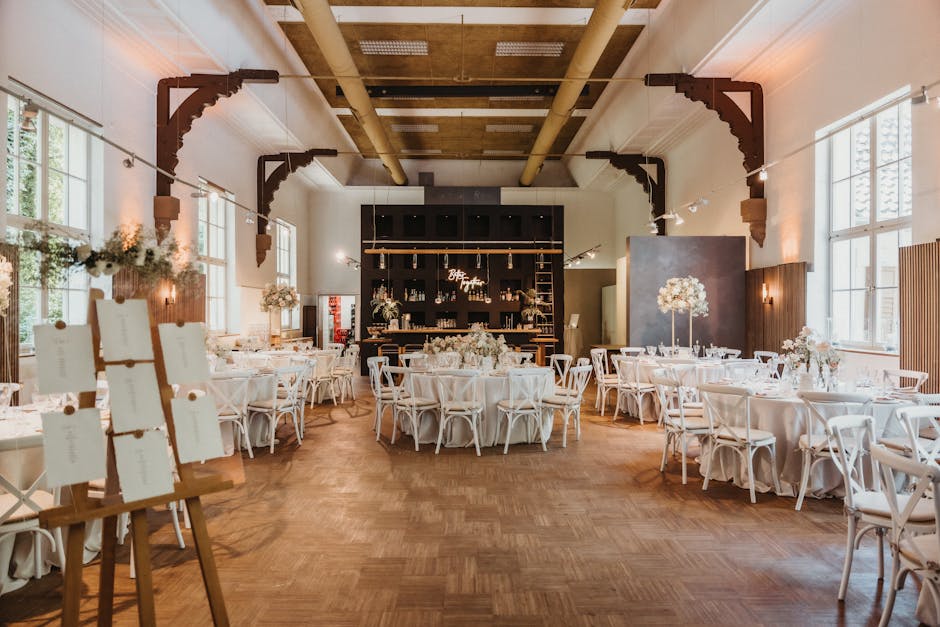
Posted on 29/05/2026
Wedding flowers Harrow School venue floral planning tips: a practical guide for elegant, low-stress planning
Planning wedding flowers for a Harrow School venue can feel wonderfully exciting right up until the practical questions start piling up. Where will the ceremony flowers go? What works in a grand historic setting without overwhelming it? How do you balance beauty, budget, and the reality of moving stems, tables, and timelines around on the day? That is exactly where thoughtful wedding flowers Harrow School venue floral planning tips make the difference.
This guide is built for couples who want flowers that feel polished, personal, and suitable for a characterful school venue in Harrow. You will find styling ideas, planning steps, common mistakes to avoid, and a realistic checklist you can actually use. It is written to help you make calm decisions, not chaotic ones. Lets face it, wedding florals are one of those details that can look effortless only because someone planned them properly behind the scenes.
If you are at the early stage, it can help to explore the wider wedding flowers in Harrow range first, then narrow the style down to your venue and timing. You may also find it useful to look at the broader wedding collections, or browse the more specific bridal bouquet, bridesmaid bouquet, buttonhole, corsage, and table arrangement options once your concept is clearer.
Why Wedding flowers Harrow School venue floral planning tips Matters
A school venue such as Harrow School has a very different feel from a hotel ballroom or a blank-event space. The architecture, room proportions, lighting, and sense of heritage all shape how flowers will read in photographs and in person. A bouquet that looks soft and romantic in a studio can feel too small in a lofty hall, while a huge display that works beautifully in a modern space may overwhelm a more formal room. That is why venue-specific planning matters so much.
In practice, good floral planning protects three things: the look, the logistics, and the budget. The look matters because wedding flowers are part of the visual story. The logistics matter because historic venues often have access points, setup windows, and placement rules that need respect. And the budget matters because flowers can become expensive quickly if they are not organised around real priorities. A little structure saves money and stress. Not glamorous, but very true.
It also helps with decision fatigue. Once you know where the focal points are - ceremony, aisle, reception tables, welcome area, cake table, maybe a few statement features - you can stop guessing and start designing. That alone can turn a vague Pinterest folder into a proper plan.
How Wedding flowers Harrow School venue floral planning tips Works
The process is simpler than it first appears. Start with the venue, then the ceremony format, then the guest count, then the mood you want to create. Flowers should support all four. If the venue already has a strong visual identity, the florals should complement it rather than compete with it. In a venue like Harrow School, that usually means considering scale, symmetry, and how arrangements will sit against stone, wood, glass, or long formal tables.
Next, translate the mood into a floral language. For example, if you want classic elegance, you might lean into roses, lilies, hydrangeas, and soft whites or creams. If you want something fresher and lighter, you may choose mixed seasonal stems with more movement. If you want a richer, more dramatic look, deep reds, purples, or jewel-toned mixed colours can work beautifully. The important thing is consistency. A room that mixes five competing styles can look busy very fast.
Then you map the practicals:
- What arrives first: bouquets, buttonholes, ceremony flowers, reception flowers?
- Which pieces must be in place before guests arrive?
- Which items can move from ceremony to reception?
- What needs water, shade, or careful handling?
- Who is responsible for setup, repositioning, and collection?
That final point is often forgotten. Even a beautiful arrangement needs a human plan behind it. If you are ordering from a local specialist such as a florist in Harrow or one of the nearby flower shops in Harrow, ask how they manage delivery windows, carrying, and on-site placement. That discussion usually reveals whether your ideas are realistic or whether they need a small rethink.
Key Benefits and Practical Advantages
Well-planned wedding flowers do more than look pretty. They improve the whole rhythm of the day. Guests know where to go. Photos look cohesive. The venue feels intentional. And, honestly, the couple feels more relaxed because the decor is doing its job instead of asking for constant attention.
- Better visual balance: Flowers can soften formal rooms and bring warmth into large interiors without hiding the venue's character.
- Clearer budget control: You can choose where to invest in statement pieces and where to keep things simple.
- Less setup chaos: A proper plan means fewer last-minute questions and fewer deliveries arriving at the wrong moment.
- Stronger photography: Coordinated florals frame the ceremony, table shots, group photos, and detail images in a much cleaner way.
- More personal style: The flowers can reflect your taste, your season, your cultural preferences, and the atmosphere you want guests to feel.
There is also a quieter benefit: confidence. Once the florals are planned, a big chunk of the wedding design feels settled. You can move on to the table plan, music, and timings without that nagging sense that something is missing.
If you are comparing styles, the luxury flowers range is useful for higher-impact looks, while the budget section can help if you want to keep the overall spend sensible. For couples who want a pre-shaped wedding mood board in product form, the SI wedding collection and the Pure Romance wedding collection are worth reviewing.
Who This Is For and When It Makes Sense
This kind of planning is for anyone getting married at a venue with a formal, historic, or visually distinctive setting. It is especially helpful if you are marrying at Harrow School and want the flowers to feel polished rather than overdone. It also makes sense if you are working with multiple suppliers, because florals need to fit the schedule, the room layout, and sometimes the venue's house rules.
You will benefit from this approach if you are:
- planning a ceremony and reception in the same venue;
- trying to reuse flowers between spaces;
- ordering from a local florist and want clear direction;
- balancing elegance with a real-world budget;
- unsure whether to choose roses, mixed blooms, or something seasonal;
- wondering how many arrangements are actually needed.
It is also useful when timing is tight. Some couples have months to refine every detail, others are finalising design late in the process. If that sounds like you, a focused service like next-day flower delivery or even same-day flower delivery can be helpful for supplementary pieces, though wedding designs should still be booked well in advance whenever possible.
One small but important note: if you are not sure what flowers suit your venue, start with an honest conversation about the room size and light. That first chat saves a lot of guessing later.
Step-by-Step Guidance
1. Walk the venue with flowers in mind
Look at the room as a designer would. Where will guests first see flowers? What does the entrance feel like? Is the ceremony area strong enough on its own, or does it need softening? In a school venue, the bones of the building usually matter as much as the decor. Tall ceilings and formal rooms often benefit from arrangements with vertical movement and clear shape.
2. Decide your floral priorities
Do not try to decorate everything equally. Choose the moments that matter most. For many weddings, that means bride and bridesmaids' bouquets, ceremony statement pieces, table centres, buttonholes, and perhaps a staircase or doorway arrangement if the venue has one. If the budget is tight, put your strongest flowers where guests will notice them most.
3. Choose a palette that suits the building
Classic whites, creams, and greens are safe for a reason: they sit well against most venue backdrops and feel timeless in photographs. Soft pinks, blush, and lilac can create a gentler romantic tone. Stronger colour works too, especially if you want a more modern personality. The key is not the shade itself, but whether the colour story feels deliberate.
4. Match the flowers to the season and the setup window
Seasonal flowers generally travel better, often look fresher, and can be easier to source in a variety of shapes. If your wedding is in summer, lighter, airier stems usually feel natural. In colder months, richer tones and more structured arrangements can feel right. Keep the setup window in mind too. Some flowers need more careful handling than others, and a venue with a short turnaround may need simpler mechanics.
5. Build the design around use, not just appearance
An arrangement that is beautiful but impossible to move is not as useful as one that can do double duty. Ceremony displays can often be repurposed at the entrance, beside the top table, or near the cake. Table flowers should suit the size of the tables and not block conversation. Buttonholes should be secure and comfortable. Small details, yes, but they add up.
6. Confirm logistics with the venue and florist
This is where many couples breathe a sigh of relief. Confirm where deliveries can go, what time access starts, whether candles or real petals are allowed, and who signs for the flowers. Ask the florist how long arrangements will stay fresh, whether anything needs water until the last minute, and what will happen to spare flowers afterwards.
7. Tie the flowers into the rest of the wedding look
Your flowers should speak the same visual language as the dress, linens, stationery, and overall styling. They do not need to match exactly. Please, no need to turn everything into a colour clone. But they should look like they belong to the same wedding.
If you want a practical product starting point, browse the roses, lilies, hydrangeas, carnations, chrysanthemums, and alstroemeria categories to understand which textures and shapes appeal to you.
Expert Tips for Better Results
Here is the part couples usually appreciate after the first round of planning: small expert decisions often matter more than dramatic ones. You do not need the biggest bouquet on earth. You need the right bouquet for your venue, dress, and photography.
- Think in layers. A few strong focal pieces, a few medium elements, and a handful of delicate accents usually look more refined than trying to make every flower shout.
- Use one standout detail only. Maybe it is a statement ceremony arch, maybe it is the top table, maybe it is a waterfall bouquet. One hero element is enough for most wedding settings.
- Let the venue breathe. Harrow School style spaces often look best when the architecture can still be seen. Florals should frame, not smother.
- Ask for a sample reference. Even a simple image or mock-up helps align expectations. It is much easier to adjust before delivery than on the morning itself.
- Plan for heat and handling. Summer weddings in particular can be tricky. A bouquet that looks perfect in the morning may need water and shade before the ceremony.
A small real-world observation: when a couple chooses too many competing colours, the room can feel a bit like it cannot quite settle down. That is rarely the dream. Calm colour stories tend to age better in photos too.
For a more refined finish, you can look at bridal bouquets and bridesmaid bouquets as a matched starting point, then build buttonholes and table pieces around them. If you need something with an upscale finish, Royal Essence and The Perfect Match bridesmaid bouquet are strong references.
Common Mistakes to Avoid
Most floral problems are not about taste. They are about planning. That is good news, because planning problems can usually be fixed before they become expensive.
- Ignoring scale: Small flowers in a very large room can disappear. Oversized installations can swallow the space.
- Ordering without checking access: If the delivery route is awkward, the setup may take longer than expected.
- Forgetting table height and sightlines: Tall centrepieces can be beautiful, but not if guests spend dinner dodging them.
- Mixing too many styles: A classic venue usually looks best with a coherent design language.
- Leaving buttonholes and corsages too late: These little items are easy to forget and surprisingly important in the final finishing touches.
- Not planning aftercare: Flowers need handling, water, and sometimes repositioning before the ceremony or reception.
Another common mistake is assuming all flowers behave the same way. They do not. Some are sturdy and forgiving, some are delicate and fussy, and some are a bit of both. Your florist should guide you on that, but it helps to ask specifically how each stem type will travel and hold up during the day.
And no, you do not need to overthink every stem. But you do need a plan. That is the sweet spot.
Tools, Resources and Recommendations
You do not need specialist software to plan wedding flowers well. A few practical tools and habits are enough. Keep everything in one place, ideally with notes about venue timings, colour ideas, and quantities.
- Venue plan: Mark the ceremony space, reception tables, welcome area, and any focal points.
- Photo reference folder: Save images of arrangements you genuinely like, not just whatever is trending.
- Guest list and table plan draft: These help determine how many table arrangements and buttonholes you need.
- Seasonal preference notes: Write down whether you want roses, lilies, mixed stems, or something more natural.
- Delivery and setup checklist: Include timings, contacts, access routes, and collection arrangements.
For care advice after delivery, the flower care guide is a sensible reference point, especially if bouquets or table flowers need to stay fresh through a long wedding day. If you are making decisions around delivery or support, the main delivery information, guarantees, and returns and refund pages are also useful to read before you book.
For couples who value local service and straightforward support, it can be reassuring to speak with a team that knows the Harrow area well. You can always visit the about us page or use the contact us page to ask practical questions before you commit. Small step, but a good one.
Law, Compliance, Standards, or Best Practice
For wedding flowers, the main compliance issues are usually practical rather than legal. You are typically dealing with venue rules, product handling, delivery expectations, and general business terms. In a heritage-style venue, best practice often means confirming what can be attached to walls, what can stand on floors, whether open flames are allowed, and how access for suppliers is managed. That is especially relevant in formal spaces where damage prevention matters.
If you are hiring any external supplier, it is sensible to check terms before paying. Read the booking conditions, payment terms, and refund policy carefully so you know what happens if the date changes or the plan needs adjustment. If you are comparing options, a reputable florist should also be clear about substitutions, seasonal differences, and delivery expectations.
There is also a sustainability angle that more couples are considering now. Choosing seasonal stems, reducing waste, reusing ceremony flowers for the reception, and avoiding unnecessary packaging can all lower impact without sacrificing style. For a practical overview, the sustainability page is worth a look. It is not about being perfect. It is about making sensible choices where you can.
One final best-practice note: make sure someone is responsible for receiving the flowers on the day. That sounds obvious, but weddings are busy, and obvious things sometimes vanish. A named contact keeps the whole process calmer.
Options, Methods, or Comparison Table
When planning flowers for a Harrow School venue, most couples end up choosing one of three broad approaches. Each has benefits. Each has trade-offs. The right choice depends on how formal the event feels, how much setup time is available, and how much emphasis you want on floral styling.
| Approach | Best for | Pros | Watch-outs |
|---|---|---|---|
| Classic focal styling | Formal ceremonies, traditional photography, heritage rooms | Elegant, timeless, easy to read in a large venue | Can feel sparse if the room needs more warmth |
| Seasonal mixed florals | Couples wanting softness, movement, and a natural feel | Flexible, often cost-efficient, rich in texture | Needs careful palette control to avoid looking busy |
| Statement-led design | Couples who want one memorable feature, such as an entrance or top table display | Strong visual impact, great for photos | Requires good logistics and a slightly more confident budget |
If you are unsure, start with classic focal styling and add one statement piece. That combination works more often than not. It is steady, elegant, and a bit easier to manage on a busy wedding morning.
Case Study or Real-World Example
Imagine a couple getting married in a formal Harrow venue in late spring. They want a refined look, nothing too heavy, and they have a medium-sized guest list. The room is beautiful on its own, with high ceilings and strong architectural detail, so they do not want to hide it.
They choose white and soft blush bouquets, rose-based buttonholes, and low table arrangements with a mix of roses, lisianthus, and greenery. Instead of creating separate large installations for every space, they focus on four key moments: the ceremony table, the entrance, the top table, and the guest tables. They also plan to move the ceremony flowers to the reception area after the vows. Simple idea, but clever.
The result is balanced. The venue still feels like itself, but warmer and more personal. Guests notice the flowers without being distracted by them. The photographs look cohesive because the same shapes and colours repeat throughout the day. And the couple, perhaps most importantly, does not spend the morning worrying about whether the decor will "come together." It already has.
That is the real goal, really. A wedding design should feel quietly inevitable, like it was always meant to be there.
Practical Checklist
- Confirm the venue's setup access, delivery window, and any restrictions.
- Decide on your top floral priorities before choosing extras.
- Pick a colour palette that works with the room and the season.
- Select bouquet, buttonhole, corsage, and table designs together, not separately.
- Ask whether ceremony flowers can be reused at the reception.
- Check how many tables need flowers and what size arrangements suit them.
- Confirm who receives the flowers on the day.
- Request clear care instructions for bouquets and arrangements.
- Review payment, substitution, and refund terms before booking.
- Keep one backup contact for the florist and one for the venue coordinator.
If you want one more smart move, create a one-page floral summary for the day. It does not have to be fancy. Just names, times, locations, and the key pieces. That little sheet can save a lot of scrambling later.
Conclusion
Wedding florals at Harrow School are at their best when they feel intentional, elegant, and suited to the venue rather than forced into it. Good planning is what makes that happen. When you think through scale, colour, logistics, and reuse, you get flowers that support the day instead of competing with it.
The nicest wedding flowers are often the ones that feel calm in the room. Not loud. Not fussy. Just right. If you use the venue as your guide and keep your choices focused, the result will usually be much stronger than trying to add more and more. Less panic, more beauty. That is the aim.
For a trusted next step, explore the wider wedding range and speak with a local team who understands how Harrow weddings work in practice. You can compare collections, review care and delivery details, and shape a plan that feels personal without becoming complicated. And yes, a good plan can still be beautiful. Especially then.
Get a free quote today and see how much you can save.
Frequently Asked Questions
What flowers work best for a Harrow School wedding venue?
Classic roses, lilies, hydrangeas, lisianthus, and mixed seasonal flowers often work well because they suit formal spaces and photograph beautifully. The best choice depends on the room size, light, and overall style of your wedding.
How far in advance should I book wedding flowers?
As early as you can, ideally once your date and venue are confirmed. Popular dates fill quickly, and venue-specific planning takes time. If you are closer to the day, ask about availability and what can realistically be achieved.
Can ceremony flowers be reused at the reception?
Yes, often they can. This is one of the best ways to stretch the budget. Ask your florist to design arrangements that can be moved safely and still look fresh in the second location.
How many floral arrangements do I actually need?
There is no single number. Most couples need bouquets, buttonholes, ceremony focal pieces, and some form of table flowers. Start with the essential areas and add extras only if they improve the flow of the venue.
Are white flowers a safe choice for Harrow School?
Yes, white and cream flowers are often a strong choice in heritage-style venues because they feel elegant and work with many backdrops. You can still add subtle colour through foliage, ribbons, or a few accent stems.
What is the difference between a bridal bouquet and a bridesmaid bouquet?
A bridal bouquet is usually more detailed, more prominent, or more tailored to the bride's dress and overall look. Bridesmaid bouquets are often smaller and designed to complement rather than compete with the bridal flowers.
Do I need buttonholes and corsages?
Not every wedding does, but many formal weddings include them for the wedding party and key family members. They help create a polished, coordinated look, especially in photographs.
How do I keep wedding flowers fresh on the day?
Keep them cool, shaded, and in water until the last practical moment. Ask your florist for specific care instructions, especially for bouquets and delicate arrangements. A proper delivery plan matters more than people think.
What if my budget is limited?
Focus on a few high-impact areas instead of spreading flowers thinly everywhere. A well-placed bouquet, ceremony focal piece, and simple table flowers can look far better than a larger number of weak arrangements.
Can I choose seasonal flowers and still have a luxury look?
Absolutely. Seasonal flowers often create the most natural and refined results because they are fresher and more harmonious. Luxury is usually about design quality, not just the price tag.
Should I choose a florist near Harrow?
A local florist can be very helpful because they understand local delivery timing, route planning, and the area's venues. That said, the most important thing is experience with wedding setup and clear communication.
What should I ask the florist before booking?
Ask about venue experience, flower availability for your date, delivery and setup timing, substitution policy, care instructions, and whether they can help reuse flowers between ceremony and reception spaces.
How do I choose between roses and mixed flowers?
Roses feel classic and structured. Mixed flowers feel lighter, more natural, and often more seasonal. The right answer depends on whether you want a formal look or something a little freer and softer.
What is the biggest mistake couples make with wedding flowers?
Probably not planning for the venue itself. Flowers should be designed around the room, the schedule, and the guest experience, not just chosen because they look nice on their own. That one shift changes everything.